Visiting Egypt: A Practical Guide
Egypt rewards the traveller who plans a little and then slows down. The country is large, the distances are long, the sun is strong, and the history is everywhere — in the middle of modern cities as much as in the desert. This guide covers the practical questions every visitor asks: when to go, how to get around, how to plan a route, how to behave at temples and mosques, and the small everyday details that make a trip run smoothly.
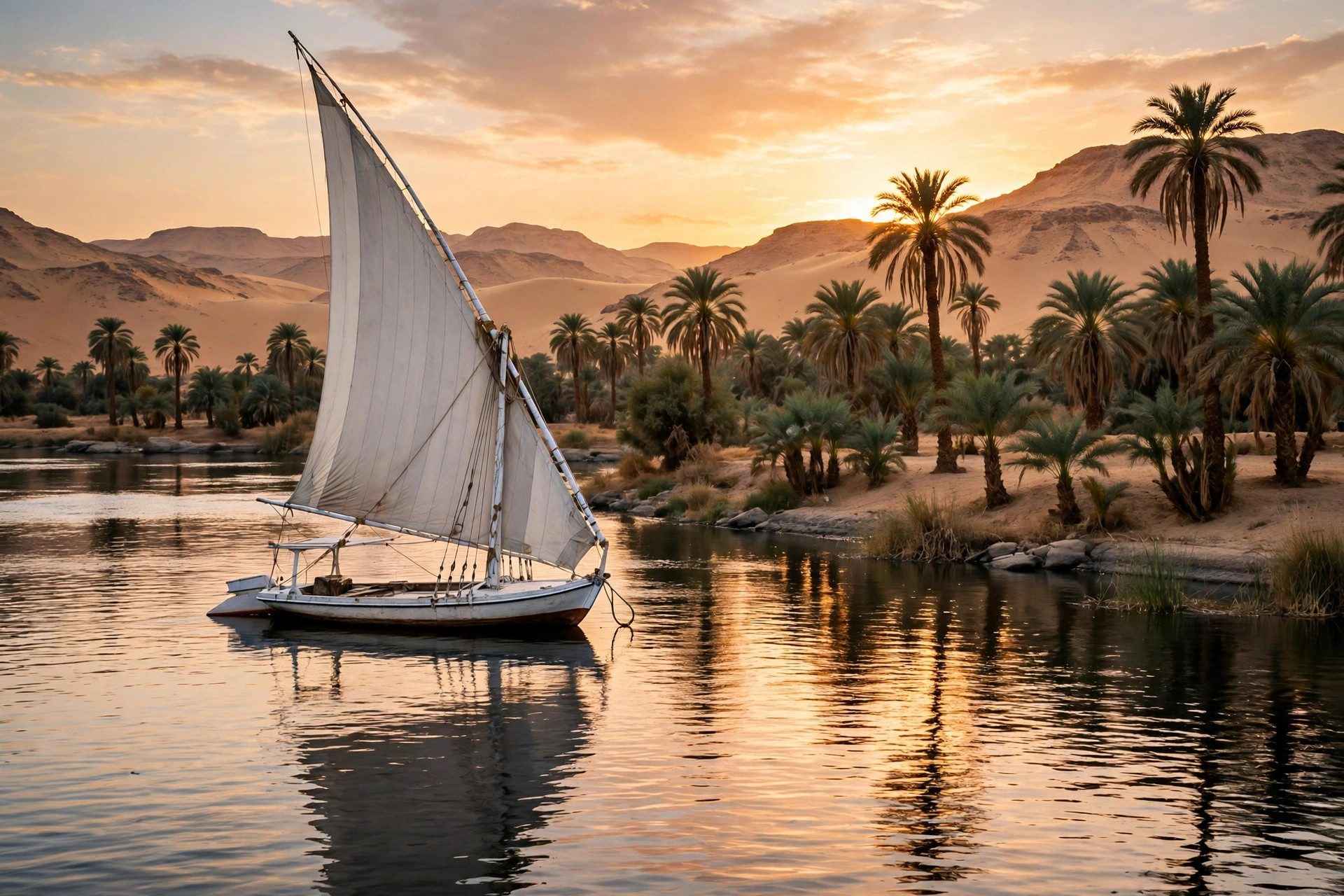
When to Go: The Best Seasons
October to April is the best time for sightseeing in Egypt, with mild, sunny days. In winter, from November to February, daytime temperatures in Cairo and Luxor are typically around 20 to 26 degrees Celsius — warm enough for a light jacket in the evening, and cool enough to walk through temples and tombs in comfort. October and November, and March and April, are the shoulder seasons: warm and quieter, with fewer crowds at the famous sites.
Summer, from June to August, is very hot in Upper Egypt, often above 40 degrees Celsius, and Luxor and Aswan can exceed 45 degrees. Summer is not the best time for Luxor and Aswan, although the Red Sea resorts stay popular all year round, since the sea is warm and the breeze off the water makes the heat easier to bear. The peak season for visitors is December to February. From March to May, the khamsin — hot, dusty winds blowing in from the desert — can occur, bringing hazy skies and a film of dust over everything for a few days at a time. Entry requirements change from time to time, so check the official requirements before booking, as rules change.
Getting Around: Trains, Flights and the Nile
Distances in Egypt are long, and the first decision is how to cover them. Domestic flights link Cairo with Luxor, Aswan, Hurghada and Sharm el-Sheikh in about an hour each way, and the main carriers on these routes are EgyptAir and Air Cairo. Flying is the fastest way to jump between the Nile Valley and the Red Sea, and it is the sensible choice when a trip is short.
Trains are the classic alternative, and the railway is part of the experience. Egyptian National Railways runs the Cairo to Alexandria line and the scenic Cairo to Luxor to Aswan route down the Nile Valley, and air-conditioned trains and sleeper trains are the options most visitors choose. The sleeper train, in particular, saves a night and wakes you up in a new city, with the Nile sliding past the window at dawn. Cairo has a metro system for getting around the capital, and ride-hailing apps such as Uber and Careem operate in the cities.
On the river itself, the Nile cruise is the classic way to travel between Luxor and Aswan. The stretch takes three to four nights by cruise ship, or four to five nights by dahabiya, the small traditional sailing boat, and a felucca ride is the shorter option for an afternoon on the water. The cruise is slow travel at its best: temples in the morning, the riverbank sliding past in the afternoon, and the desert hills turning gold at sunset. A dahabiya is quieter and smaller than a cruise ship, and it stops at places the big ships pass by.
| Best season | October to April; winter days typically 20–26 degrees Celsius in Cairo and Luxor |
|---|---|
| Shoulder seasons | October–November and March–April — warm and quieter |
| Summer | June–August is very hot in Upper Egypt, often above 40 degrees Celsius; Luxor and Aswan can exceed 45 degrees |
| Peak season | December to February; khamsin winds can occur March to May |
| Domestic flights | EgyptAir and Air Cairo link Cairo with Luxor, Aswan, Hurghada and Sharm el-Sheikh in about an hour |
| Trains | Egyptian National Railways: Cairo–Alexandria and the scenic Cairo–Luxor–Aswan route; air-conditioned and sleeper trains |
| Nile cruise | Luxor–Aswan takes 3–4 nights by cruise ship, 4–5 by dahabiya; felucca rides are a shorter option |
| Language and time | Arabic is the official language; English is widely understood at tourist sites; time zone UTC+2; dialling code +20 |
Planning a Route
A good first trip takes seven days: Cairo, then Luxor, then Aswan, with a Nile cruise between Luxor and Aswan. That route covers the pyramids of Giza and the museums of Cairo, the temples and tombs of Luxor, and the river journey south to Philae and the High Dam. Ten to fourteen days adds Alexandria on the Mediterranean coast, the Red Sea coast, or both — Alexandria for the Greco-Roman city and the modern Bibliotheca, and the Red Sea for the reefs of Ras Mohammed and the monastery of Saint Catherine in Sinai.
The best advice is not to rush. Egypt's sites are best seen slowly, in the early morning before the heat and the crowds, with the afternoon for the museum or the river. One temple properly seen, with time to look at the carvings and to sit in the shade of a column, is worth more than three temples hurried through. Build rest into the plan: a felucca at sunset in Aswan, a walk along the Corniche in Luxor, an evening in a Cairo café. The country has been welcoming travellers for thousands of years, and it rewards those who take their time.
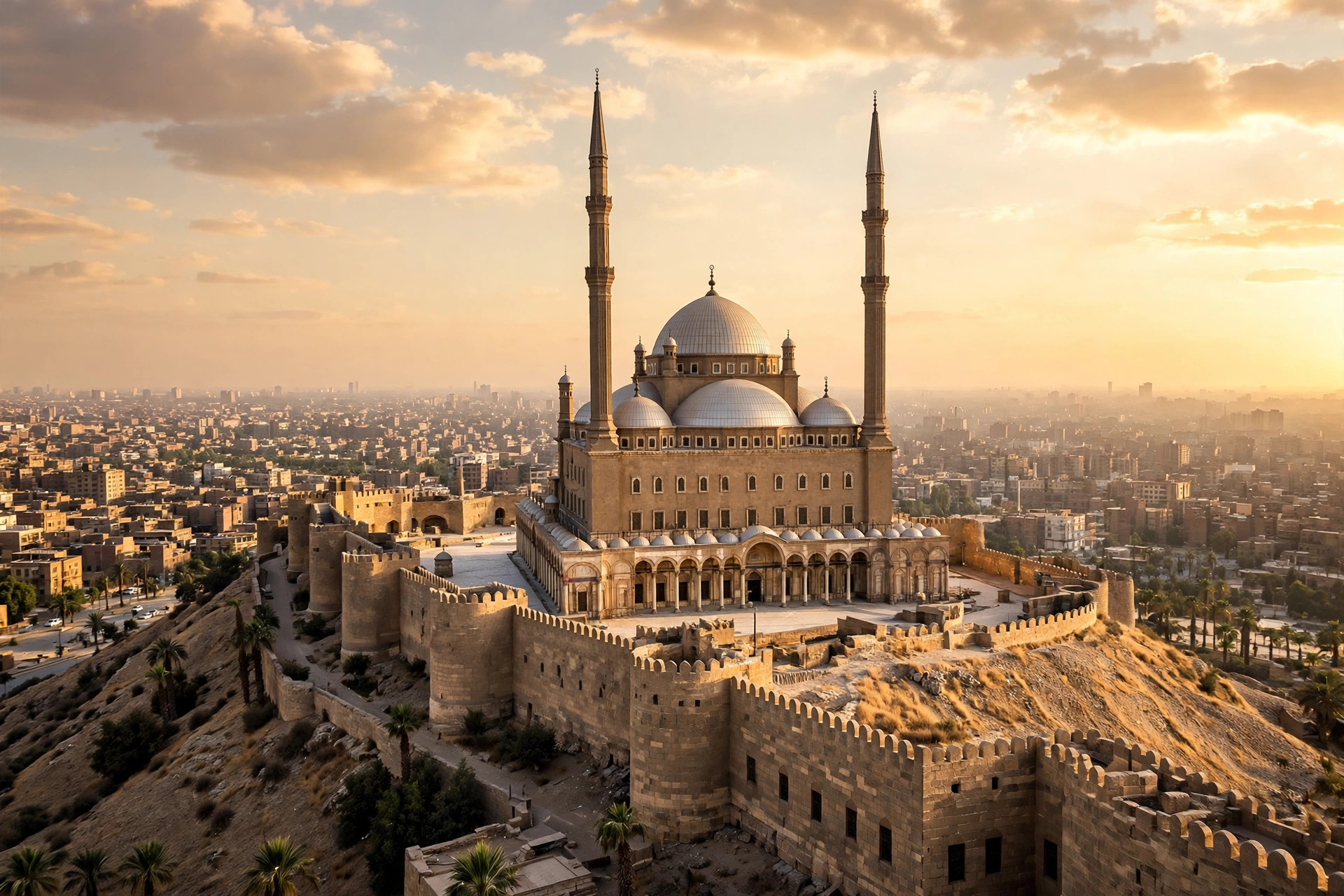
Etiquette and Customs
Egypt is a conservative country, and a little care with dress and behaviour goes a long way. Cover your shoulders and knees, especially at religious sites. Women should carry a scarf for mosque visits, since head covering is required inside mosques, and shoes are taken off before entering. Dress is relaxed at Red Sea resorts, in hotels and on cruise ships, but the same respect applies when visiting a temple or a mosque in town.
Photography deserves the same care. Always ask permission before photographing people, especially women, and respect a refusal. Photography is restricted or forbidden inside some tombs and museums, and flash is commonly banned, since it damages pigments and disturbs other visitors — check the signs at each site rather than assuming. Tipping, known as baksheesh, is customary and expected for guides, drivers, hotel staff and temple guardians, so keep small notes in the local currency with you. Guides commonly suggest a small percentage on restaurant bills as customary, but no fixed amount is given for any service here, since expectations vary. A warm greeting, a smile and a little patience are worth as much as any tip: Egyptians are famously hospitable, and a visitor who shows respect is welcomed as a guest.
Practical Essentials
A few everyday details are worth knowing before you go. The currency is the Egyptian pound, and cash in small notes is useful for tipping and for small purchases away from the main tourist areas. Arabic is the official language, and English is widely understood at tourist sites, in hotels and by guides. The time zone is UTC+2, and the dialling code is +20. Drink bottled water, including for brushing your teeth, and take care with ice and uncooked food in the first days while your stomach adjusts.
Opening hours for sites, museums and monasteries change from time to time, so check before going rather than relying on hours printed in a guide. The same applies to entry requirements, which change from time to time: check the official requirements before booking. Ramadan dates shift every year, so no fixed date for Ramadan is given here; during the holy month, days run a little quieter and evenings come alive after sunset, which is a fine time to be in Egypt if you are prepared for it. Pack light, bring sun protection and a hat, and leave room in your bag — Egypt has a way of filling it.